AMAZING WORLD OF SCIENCE WITH MR. GREEN
  • Home
  • IBDP Environmental Systems and Societies (2024)
    • ESS Topics >
      • ESS Topic 1 Foundations >
        • ESS Subtopic 1.1: Perspectives >
          • Environmental Timeline
        • ESS Subtopic 1.2: Systems
        • ESS Subtopic 1.3 Sustainability
      • ESS Topic 2 Ecology >
        • ESS Subtopic 2.1:​ Individuals, Populations, Communities, and Ecosystems
        • ESS Subtopic 2.2: Energy and Biomass
        • ESS Subtopic 2.3: Biogeochemical Cycles
        • ESS Subtopic 2.4: Climate and Biomes
        • ESS Subtopic 2.5: Zonation, Succession and Change in Ecosystems
      • ESS Topic 3: Biodiversity and Conservation >
        • ESS Subtopic 3.1: Biodiversity and Evolution
        • ESS Subtopic 3.2: Human Impact on Biodiversity
        • ESS Subtopic 3.3: Conservation oand Regeneration
      • ESS Topic 4: Water >
        • ESS Subtopic 4.1: Water Systems
        • ESS Subtopic 4.2: Water Access, Use and Security
        • ESS Subtopic 4.3: Aquatic Food Production Systems
        • ESS Subtopic 4.4: Water Pollution
      • ESS Subtopic 5: Land >
        • ESS Subtopic 5.1: Soils
        • ESS Subtopic 5.2: Agriculture and Food
      • ESS Topic 6: Atmospheric Systems and Society >
        • ESS Subtopic 6.1: Introduction to the Atmosphere
        • ESS Subtopic 6.2: Climate change – Causes and Impacts
        • ESS Subtopic 6.3: Climate change – Mitigation and Adaptation
        • ESS Subtopic 6.4: Stratospheric Ozone
      • ESS Topic 7: Natural Resources >
        • ESS Subtopic 7.1: Resource Use in Society
        • ESS Subtopic 7.2: Energy Source
        • ESS Subopic 7.3 Solid Waste
      • ESS Topic 8: Human Populations and Urban Systems >
        • ESS Subtopic 8.1: Human Populations Dynamics
        • ESS Subtopic 8.2 Urban Systems and Planning
        • ESS Subtopic 8.3: Urban Air Pollution
      • ESS HL Lenses >
        • HLa. Environmental Law
        • HL.b Environmental Economics
        • HL.b Environmental Ethics
    • ESS Internal Assessments >
      • Criterion A: Research Question and Inquiry
      • Criterion B: Strategy
      • Criterion C: Method >
        • Surveys
        • Secondary Data - Data Bases
      • Criterion D: Treatment of Data
      • Criterion E: Analysis and conclusion
      • Criterion F: Evaluation
      • ESS IA Communication
      • ESS Personal Skills in IA
    • Statistical Anaylsis >
      • Student t-Test
      • ANOVA
      • Chi Square
      • Pearson's Correlation Coefficient
      • Regression Analysis
    • ESS Extended Essay
    • IB ESS Revision
    • Official IB ESS Glossary
  • Grade 10 MYP Biology
    • GR 10 Topic 1: Gas Exchange and Cellular Respiration
    • GR 10 Topic 2 Muscles and Energy
    • GR10 Topic 3: Homeostasis and Thermoregulation
    • GR10 Topic 4: Water Balance >
      • How Much Is That Kidney
  • Grade 9 MYP Biology
    • Grade 9 Topic 1: Life Processes
    • GR9 Topic 2: Cells
    • GR 9 Topic 3: Macro Molecules
    • GR9 Topic 4 Cellular Movement
    • GR 9 Topic 5: Transport In Plant
    • GR 9 Topic 6 Enzymes
  • MYP Laboratory Guidance
  • IB Command Terms
  • Guide To Exam Success
    • What Are You Eating
    • Get Organized
    • Day Before the Exam
    • When You Sit Down For The Exam
    • Taking The Exam
  • Scientific Dictionary
  • Scientific Method
  • About Me

environmental timeline

10,000 BP
Agricultural revolution


1872
First National Park Established


1940s
Green revolution & sharp population
rise

 
1960s
NGOs formed including WWF and 
Greenpeace

 
1979
James Lovelock publishes Gaia

Mid 1980s
Thinning ice sheets & ozone hole 
discovered

1990s
Greater awareness of green issues & products
Early 1800s
Industrial revolution


1914
Passenger pigeon goes extinct in US

1956 - 1968
Minamata Bay Disaster


1972
First Earth summit.Planned for every 10 years

1984
Bhopal disaster

1987
Montreal protocol. CFC use
decreases.


2006
Al Gore's "An Inconvenient Truth" released
Late 1800s
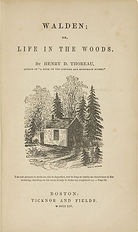
Thoreau & Muir publish conservation books

1940s
Dustbowl in North America


1962
Rachel Caron publishes Silent Spring


1975
CITES formed by IUCN to protect endangered species

1986
Chernobyl disaster

1992
Rio Earth Summit & Kyoto
Protocol


2011
World Human Population Reached 7 Billion
Picture
Environmental Timeline


Notable advocates for environmental protection and sustainability include:

  • Wendell Berry (farmer, philosopher)


  • David

    Brower
    (writer, activist)


  • Lester
    Brown
    (environmental analyst, author)
  • Paul R. Ehrlich (population biologist)


  • Hans-Josef Fell (German Green
    Party
    member)


  • Jane

    Fonda
    (actor
  • Tetsunari Iida (sustainable energy advocate)


  • Aldo

    Leopold
    (ecologist)


  • James Lovelock (scientist)
  • George Monbiot (journalist)


  • John
    Muir
    (naturalist, activist)


  • Ralph

    Nader
    (activist)
  • Helen Caldicott (medical doctor)


  • Rachel Carson (biologist, writer)


  • Prince
    Charles
    (British Royal Family member)
  • Mizuho Fukushima (politician, activist)


  • Peter
    Garrett
    (musician, politician)


  • Al
    Gore
    (former Vice President of the United States)
  • Amory

    Lovins
    (energy policy analyst)


  • Hunter Lovins (environmentalist)


  • Caroline Lucas (politician)
  • Gaylord Nelson (politician)


  • Alan

    Pears
    (environmental
    consultant
    and energy
    efficiency pioneer
    )


  • Gifford Pinchot (first chief of the USFS)


    • )


    • Bonnie 

    • Cass
      Sunstein
      (environmental lawyer)

    • David
      Suzuki
      (scientist, broadcaster)

    • Henry David Thoreau (writer, philosopher)

    • Stewart Udall (former United States Secretary of the Interior)

    • Jo Valentine (politician and activist)

    • Dominique Voynet (politician and
      environmentalist)

    • Howard Zahniser (author of the 1964 Wilderness Act)

    Disclaimer: The information contained in this website is for educational purposes only. ​Not all the resources  belong  to me and have given credit to the owner of the resources known. For the resources which are unknown, I just made sure that it doesn't belong to me. If you have any suggestions, kindly comment on the comment option in the home tab or send an email to [email protected]
    Creative Commons License
    Contributions to The Amazing World of Science is licensed under a Creative Commons Attribution-ShareAlike 4.0 International License.
    Proudly powered by Weebly